How Festivals Are Changing in a Post-Pandemic World
Large gatherings took the hardest hit of anything during the pandemic years, and festivals, religious, cultural, and musical alike, have spent the years since rebuilding. What's come back isn't identical to what existed before, the disruption left lasting changes in how these events are organized and experienced.
Hybrid Became the Default, Not the Exception
Streaming a festival's key moments, once a stopgap necessity, has stuck around because it genuinely expanded who could participate, people unable to travel, older relatives, diaspora communities far from home. Most major cultural and religious festivals now build a livestream or digital component into their planning from the start, rather than treating it as an afterthought.
Smaller, More Intentional Gatherings
Some of the shift toward smaller, more curated events has outlasted the health restrictions that first caused it. Organizers and attendees alike report a preference for gatherings that feel less like massive crowds and more like genuine community, a trend that's reshaped everything from wedding sizes to music festival formats.
A Renewed Appreciation for In-Person Gathering
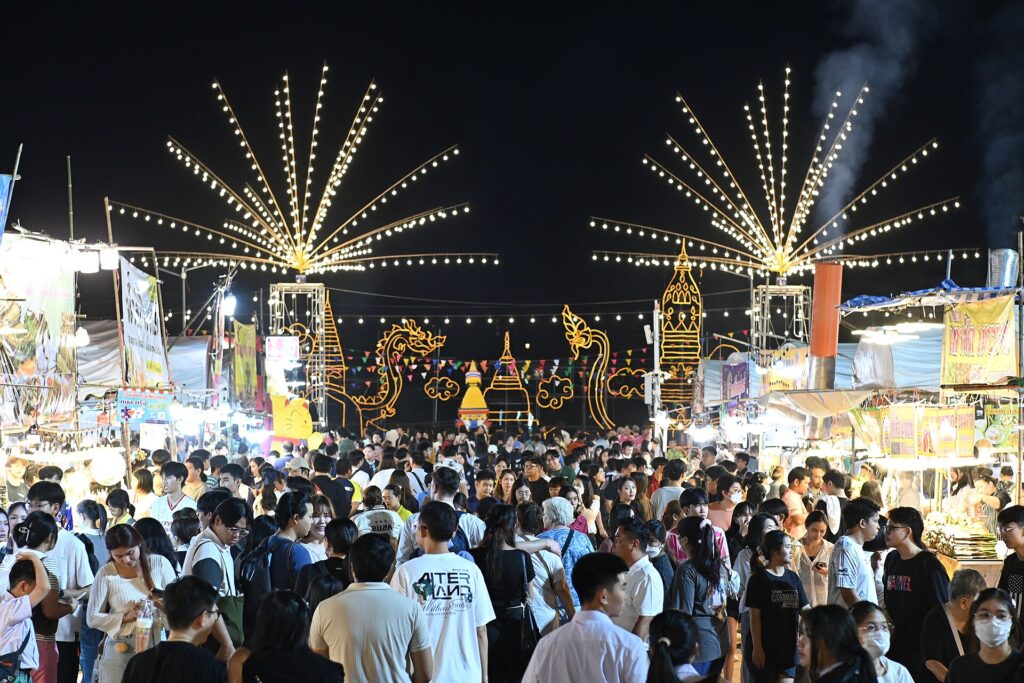
After years of enforced distance, many attendees describe a sharper appreciation for the specific, irreplaceable feeling of being physically present, shared meals, communal singing, the energy of a crowd, things a screen genuinely can't replicate. That's shown up in strong attendance rebounds for festivals that leaned into the communal, sensory parts of the experience rather than just the content being delivered.
Economic Pressures Reshaping the Calendar
Rising costs for venues, security, and logistics have pushed some festivals toward shorter durations or less frequent scheduling, forcing organizers to be more deliberate about what makes an event worth the expense for both organizers and attendees. The festivals thriving now tend to be the ones that got clearer, not vaguer, about what makes them worth showing up for.
What the Disruption Actually Changed
Festivals were the first thing to stop and among the last to resume, and the gap was long enough to break habits and institutional knowledge. Organising committees lost volunteers, suppliers went out of business, and the assumption that an event simply happens every year was removed for a while. What returned had to be rebuilt deliberately, and rebuilding is when things get changed.
Hybrid Stopped Being a Compromise
Streaming began as a substitute and survived because it turned out to serve people the physical event never had: relatives abroad, those with limited mobility, older participants for whom crowds are difficult, and anyone who could not travel.
Religious institutions in particular found that a livestreamed ritual reached a diaspora congregation far larger than the building could hold. That is not a pandemic artifact; it is a permanent expansion of who can participate.
Smaller and More Deliberate
The shift toward smaller gatherings has partly persisted. Some of it is preference — people discovered they liked intimate events — and much of it is economics. Venue, security, insurance and logistics costs rose sharply, pushing organisers toward shorter, less frequent, more focused events.
The practical result is festivals that are clearer about what they are for. Marginal programming got cut, and what remained was whatever people actually came for.
The Renewed Value of Being There
- Sensory presence. Food, sound, heat, crowd density — none of it transmits through a screen.
- Shared timing. Experiencing something simultaneously with others, which streaming fragments.
- Incidental encounter. Running into people you did not plan to see, which is much of the social value.
- Participation over spectatorship. Singing, cooking, processing rather than watching.
Where India Fits
Indian festivals are unusually participatory and unusually large, which made the interruption more disruptive and the return more emphatic. Attendance rebounded strongly for the most communal events, while the digital component has been retained mainly for reaching people outside the city rather than replacing presence.
What Endures
The events that came back strongest were those clear about their purpose — religious observance, community reunion, a specific cultural function. The ones that struggled were those whose main proposition was content that turned out to work equally well on a screen. That distinction is likely to shape which festivals grow over the next decade.