Nirmal ‘Nimsdai’ Purja Dies at 43 in Broad Peak Avalanche That Killed His Entire Expedition
Nirmal Purja, the British-Nepali mountaineer known worldwide as Nimsdai, has died in an avalanche on Broad Peak in northern Pakistan. He was 43. His company, Elite Expeditions, confirmed his death on 1 August, along with the deaths of every other member of the expedition, ten people in all.
"It is with profound sadness and immense heartbreak that we confirm that Nirmal 'Nimsdai' Purja tragically lost his life following the avalanche on Broad Peak," the company said. "Today, we mourn not only Nims, but every life lost in this tragedy."
What Happened
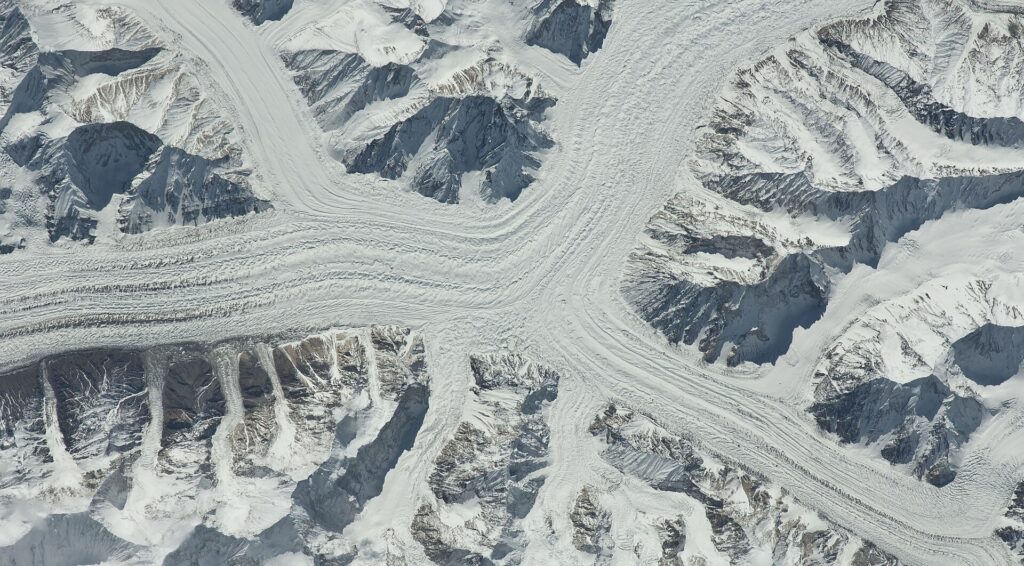
The avalanche struck around midday on Broad Peak, an 8,047-metre mountain in the Karakoram range and the twelfth highest in the world. Military helicopters, high-altitude porters and rescue teams searched the area over the following days in difficult terrain and weather. The remains of some climbers have been flown to hospitals in Pakistan.
The expedition was international. According to the Alpine Club of Pakistan, it included climbers from Nepal, Pakistan, Oman, China and the United States. Purja's longtime climbing partners Pur Bahadur Gurung, known as Yukta, and Nima Sherpa were among the dead. So was Mallory Geis, a 39-year-old American from San Antonio who had closed her Pilates studio earlier this year to pursue high-altitude climbing full time.
"I'm heading out for my first big kid climbing expedition in Pakistan," Geis had written before leaving. Nepal's Prime Minister Balendra Shah confirmed the deaths of the Nepalese climbers on Saturday.
The Record That Made Him Famous
In 2019 Purja climbed all fourteen of the world's 8,000-metre peaks in six months and six days. The previous record was just under eight years.
The scale of the compression is hard to overstate. He called it Project Possible, remortgaged his house to fund it, and spent the campaign moving between Nepal, Pakistan and China at a pace most of the climbing world considered implausible. Along the way he paused to help rescue climbers in distress on more than one occasion. The effort became the 2021 Netflix documentary 14 Peaks: Nothing Is Impossible, which introduced him to an audience far outside mountaineering.
Two years later he was part of the all-Nepali team that made the first winter ascent of K2, a mountain that had resisted winter attempts for decades and is widely considered the hardest of the fourteen. The team paused below the summit and walked the final metres together, singing the Nepali national anthem.
Before the Mountains
Purja was born in Dana in western Nepal and grew up in Chitwan. He joined the Brigade of Gurkhas, then passed selection for the Special Boat Service, the British special forces unit, where he served around a decade. He did not begin serious high-altitude climbing until his early thirties, which is late by the standards of the sport.
He was open about using supplemental oxygen and about running a commercial guiding operation, and he was unapologetic in the face of purists who objected to both. That tension followed him. Critics argued his style prioritised speed and spectacle, and that his social media presence blurred the line between mountaineering and marketing. Supporters countered that he had simply refused to pretend the sport was more romantic than it is, and that the objections grew louder because a Nepali climber was claiming records rather than carrying loads for someone else who would.
What He Changed
His most durable contribution may have less to do with records than with credit. For most of the sport's history, Nepali climbers made Western expeditions possible while remaining largely anonymous in the accounts that followed. Purja was loud, deliberate and effective about reversing that. He put Nepali names on summits, on documentaries and on sponsorship deals, and he built a company that employed Nepali guides at the front of expeditions rather than behind them.
The Nimsdai Foundation, which he set up in 2022, funded education and climate work in Nepali mountain communities, and he spoke often about glacial retreat in the ranges he worked in.
The Cost the Sport Rarely Names
That an expedition of ten was lost entirely is a reminder of something the genre of triumphant summit stories tends to leave out. Broad Peak has a long record of fatalities, and the Karakoram in summer carries serious avalanche risk that no amount of experience removes.
It is also a reminder of who bears most of that risk. Nepali and Pakistani guides and porters die on these mountains at far higher rates than the clients they carry for, and most of their names never travel. Purja spent much of his public life insisting they should. Two of them died alongside him.
He is survived by his wife, Suchi, and his family in Nepal and the United Kingdom.