
How Street Food Culture Went Global Through Social Media
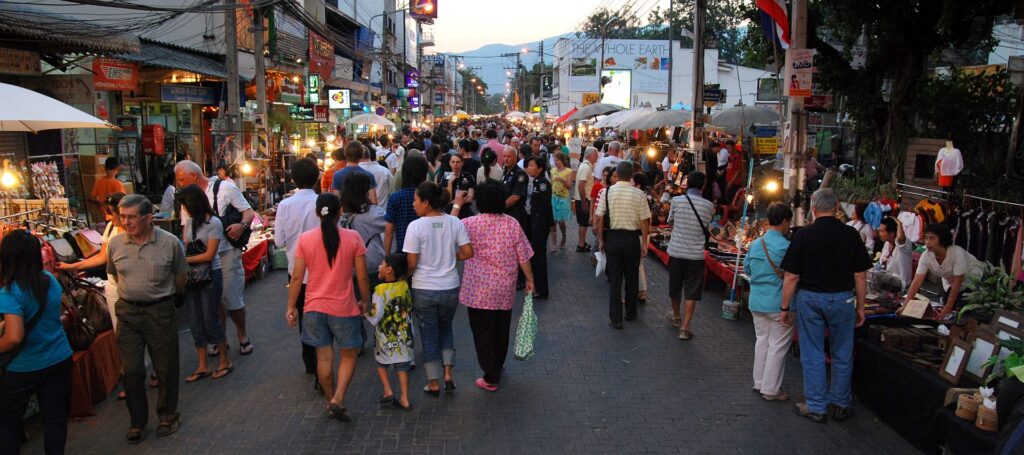
A cart selling grilled skewers on a side street in one city can, within days, spark a queue of tourists in another, all because a short video made the rounds. Street food has always been a cultural anchor, what's new is how fast that culture now travels.
From Local Institution to Global Reference Point
Street food vendors used to be known within a neighborhood, maybe a city. Social video changed the unit of fame from restaurant reviews to individual dishes, a specific stall's specific item can go viral independent of the vendor ever intending to market themselves at all.
The Upside for Vendors
For small, independent food sellers who never had marketing budgets, a single viral video can do more than years of word of mouth. Lines form, income grows, and in some well-documented cases, vendors have expanded from a single cart to multiple locations entirely on the back of online attention.
The Strain That Comes With It
Sudden fame brings sudden crowds, and not every small operation is built to scale that fast. Long lines can overwhelm a stall meant to serve a neighborhood, quality can slip under volume, and the same online audience that created the fame can turn just as quickly if the experience doesn't match the hype.
What This Says About Food Culture Now
Street food's global spread through video has flattened some of the old gatekeeping around what counts as "worth traveling for." A humble roadside dish can now sit in the same cultural conversation as a fine-dining tasting menu, judged on the same terms: is it actually good, and is it worth the trip.
How a Stall Becomes a Destination
Restaurant fame used to move slowly through reviews and guides, and it attached to establishments. Video changed the unit of fame from the venue to the dish. A single item, filmed well, can travel globally in days while the vendor remains entirely unaware it is happening.
The format suits food unusually well. Cooking is visual, repetitive and satisfying to watch — the sizzle, the flip, the assembly — and needs no translation.
What It Does for Vendors
For sellers who never had marketing budgets, a viral clip can transform a business. Documented cases run from queues forming within days to vendors expanding from a single cart to multiple outlets, and in some instances to national recognition and franchising.
It has also shifted who gets taken seriously. Street food is now discussed in the same terms as fine dining, judged on whether it is good rather than on what it costs.
The Strain Success Brings
- Capacity. A stall built to serve a neighbourhood cannot serve a queue of tourists without quality slipping.
- Displacement. Regulars who sustained the business for years often stop coming once waits get long.
- Volatility. Attention that arrives in a week can leave in a month, after a vendor has expanded to meet it.
- Uneven benefit. The creator filming often earns more from the video than the vendor earns from the resulting sales.
The Authenticity Problem
Once vendors understand what performs, some begin cooking for the camera: exaggerated portions, theatrical preparation, excessive cheese or butter for visual effect. The food adapts to the format, which is how a genuine local dish slowly becomes a performance of itself.
India has seen this clearly, with viral extremes drawing criticism from people who point out that the resulting dish bears little relation to what anyone actually eats.
What It Says About Food Culture
The old gatekeeping ran through critics and guides that rarely covered street food seriously. That structure is largely gone, replaced by something more democratic and more volatile. The upside is that a roadside dish can now be globally celebrated on merit. The downside is that the same mechanism rewards spectacle over quality, and vendors have to decide which one they are cooking for.