Third Places: Why Cities Need Spaces That Aren’t Home or Work
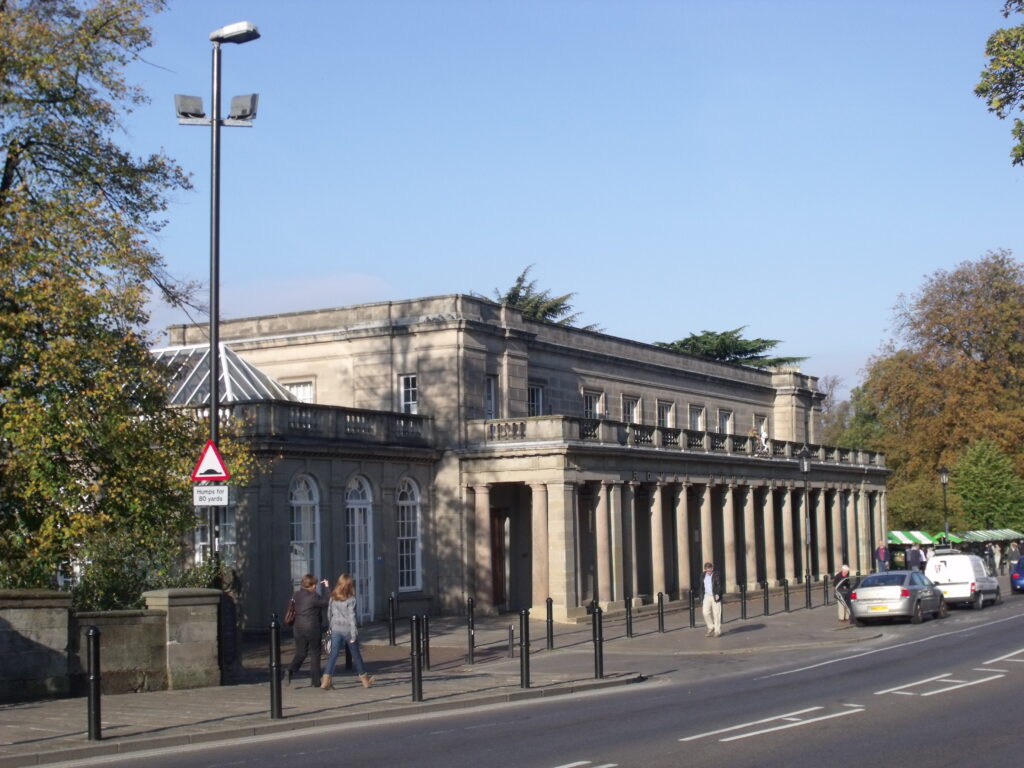
Sociologists have a term for the cafes, parks, libraries, and community spaces where people gather without being at home or at work: third places. A growing body of writing and urban planning conversation argues that modern cities have quietly lost too many of them, and it's costing more than convenience.
What Makes a Third Place a Third Place
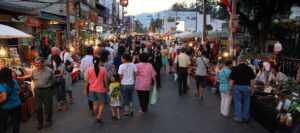
The defining feature isn't the type of space, it's the terms: low or no cost to simply be there, no requirement to buy something continuously, and a level of familiarity that builds over repeated, casual visits. A neighborhood tea stall where regulars know each other functions this way just as much as a well-run community library.
Why They've Been Disappearing
Rising commercial rents push out low-margin community spaces in favor of businesses that need higher turnover to survive. Remote work has also changed daily movement patterns, fewer people passing through a neighborhood center on a commute means less foot traffic sustaining the small businesses that often served as informal third places.
What Gets Lost Without Them
Third places are where a lot of incidental community actually happens, the conversations and relationships that don't get scheduled, just accumulate over time in a shared space. Research on loneliness and social isolation consistently points to a decline in these casual, low-stakes social spaces as part of the picture, not the whole cause, but a real contributing factor.
What's Being Tried
Some cities have started actively protecting or subsidizing community spaces, libraries expanding their role beyond books, parks departments investing in free public programming, and a renewed interest from urban planners in designing new developments with genuine gathering space built in from the start, rather than treating it as an afterthought.
Where the Idea Comes From
The sociologist Ray Oldenburg coined the term to describe the places that are neither home nor work but sustain public life: cafes, barbershops, pubs, parks, libraries. His argument was that informal public gathering is where community actually forms — not through organised activity but through repeated, low-stakes contact with the same faces.
What Qualifies
The defining features are the terms, not the type of space: little or no cost to simply be present, no expectation of continuous spending, conversation as the main activity, regulars who set the tone, and a levelling quality where status outside does not determine standing inside.
A neighbourhood tea stall meets this definition more completely than most cafes designed to look like community spaces.
Why They Have Thinned Out
- Rent. Spaces that make money slowly cannot survive rising commercial rents, so low-margin gathering places get replaced by higher-turnover businesses.
- Turnover pressure. Cafes increasingly design for throughput, and lingering is subtly discouraged.
- Changed movement. Remote work removed the daily foot traffic that sustained neighbourhood businesses.
- Car-oriented planning. Development patterns that separate housing from everything else remove the possibility of a walkable local anywhere.
What Is Lost
The relationships that form in third places are weak ties — people you know slightly, see regularly, and are not close to. Research consistently finds these disproportionately valuable: they carry information, opportunities and a sense of belonging that close friendships do not supply. They are also the ties that vanish first when public space contracts.
Loneliness research points repeatedly at this. Not the absence of close relationships, but the absence of casual ones.
The Indian Version
India retains more of this infrastructure than most wealthy countries: tea stalls, temple courtyards, maidans, markets, parks that function as genuine social space. The risk is that redevelopment follows the same pattern seen elsewhere, replacing informal shared space with commercial space that requires spending to occupy.
What Actually Helps
Libraries expanding beyond books have been one of the more successful interventions, since they are already free and already public. Beyond that: protecting small local businesses from rent shocks, free public programming in parks, and planning rules that require genuine gathering space in new development rather than treating it as leftover ground.