
Young Creators Are Reviving India’s Classical Art Forms
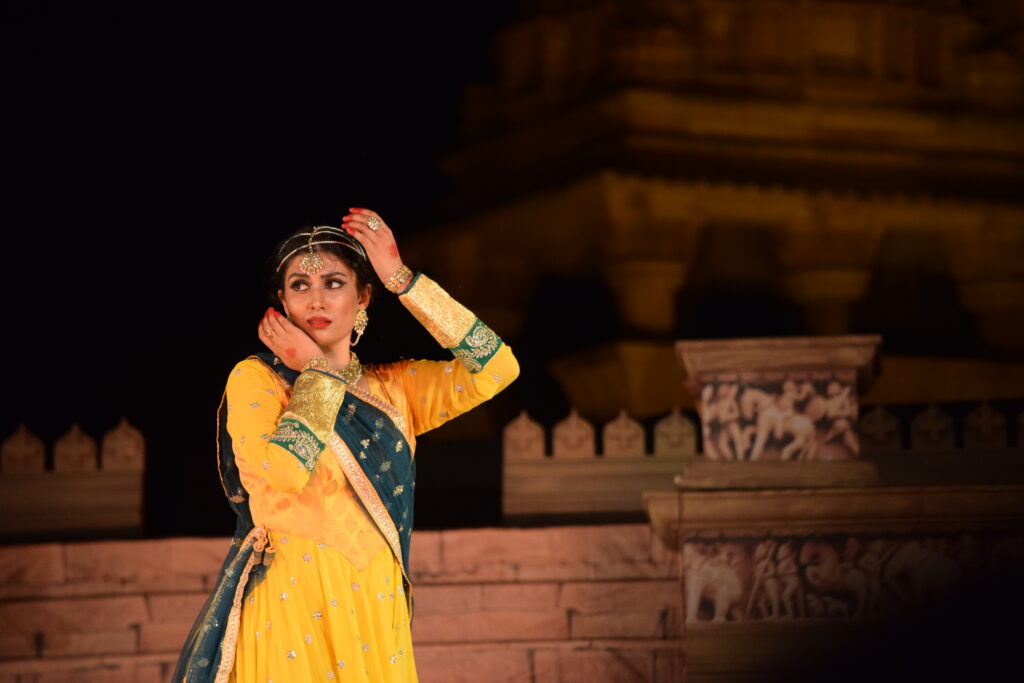
Classical dance and music forms that were quietly losing younger practitioners for decades are seeing a real resurgence, driven less by institutions and more by individual young artists using social platforms to make centuries-old traditions feel current again.
The Gap These Forms Were Facing
Classical training in forms like Bharatanatyam, Kathak, and Hindustani classical music has always demanded years of rigorous discipline, a commitment that competed poorly against more immediately rewarding modern pursuits. Institutions preserving these forms often struggled with aging practitioner bases and shrinking younger enrollment.
What Changed
A new generation of trained classical artists began posting short clips of their practice, fusion experiments blending classical technique with contemporary music, and behind-the-scenes looks at the discipline itself. That visibility did something formal preservation efforts struggled to: it made classical art forms feel like an active, evolving practice rather than a museum piece.
Fusion Without Losing the Form
The most successful of these creators tend to walk a careful line, using contemporary music or settings to draw in new audiences while keeping the underlying technique rigorously traditional. That balance has drawn criticism from purists in some cases, but it's also demonstrably pulled younger viewers toward seeking out full traditional performances they'd never have otherwise encountered.
Why This Matters Beyond Art
Cultural forms that lose their transmission to the next generation don't just fade, they take embedded knowledge, technique, and history with them. A generation of young artists choosing to learn, practice, and publicly showcase these forms is doing real preservation work, even when the platform they're using looks nothing like the temples and courts where these traditions began.
The Transmission Problem
Classical forms are transmitted person to person. A guru teaches a student over years, and knowledge that was never fully written down passes with them. When enrolment drops for a generation, what is lost is not just performers but repertoire, technique and interpretive tradition that exist only in living memory.
That is the real stake in the decline, and why a resurgence in learners matters more than a resurgence in audiences.
Why Young Artists Turned to Platforms
Traditional performance economics are difficult: limited venues, sparse funding, audiences skewing older, and a long apprenticeship before anyone will pay. Social platforms offered something the institutional route did not — an audience immediately, on the artist's own terms, without waiting to be selected.
A trained dancer posting practice clips can build a following larger than any auditorium they will perform in, and that following converts into workshops, commissions and students.
What Actually Travels Well
- Practice footage. Unpolished rehearsal reveals the discipline underneath, which audiences find more compelling than finished performance.
- Explanation. Short breakdowns of what a gesture means or how a raga is structured give newcomers a way in.
- Fusion. Classical technique against contemporary music, which is the most divisive and most effective form of outreach.
- Context. The history and mythology behind a piece, which turns a performance into a story.
The Purist Objection, Taken Seriously
Critics argue that compressing a form built on gradual development into a thirty-second clip misrepresents it, and that fusion risks reducing centuries of grammar to aesthetic decoration. That is not an unreasonable position — something genuine is lost when an art requiring sustained attention is reformatted for a feed.
The counter-evidence is enrolment. Teachers report students arriving because of something they saw online, and those students go on to learn the full form. Outreach and preservation are not opposed if the pipeline works.
Where the Balance Holds
The artists doing this most credibly keep the technique rigorous while changing only the setting or accompaniment. The discipline stays intact; the packaging adapts. What tends to draw justified criticism is the reverse — classical aesthetics used as costume over work with no underlying training.
What Still Needs Solving
Visibility has grown faster than livelihoods. Most of these artists still cannot support themselves from the form alone, relying on teaching, commissions or unrelated work. Attention has moved; funding largely has not, and that gap is where the next generation is still likely to be lost.