
Constitution Day Explained: Why India Marks November 26, Not Just January 26
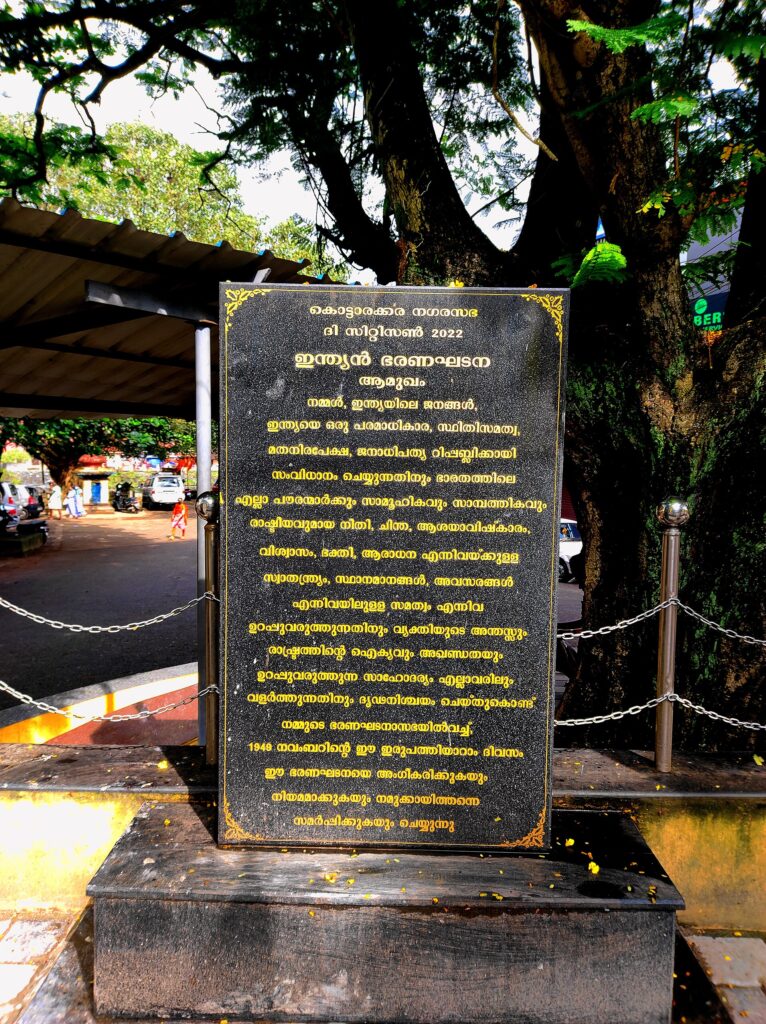
Every year on November 26, India marks Constitution Day, also called Samvidhan Divas. It is the day in 1949 when the Constituent Assembly formally adopted the Constitution of India. The document then came into force two months later, on January 26, 1950, which is why we celebrate Republic Day in January. Tomorrow marks 77 years since that adoption.
A lot of people mix up the two dates, so here is a clear look at what happened on November 26, why the day became an official observance, and why it still matters.
What happened on November 26, 1949?
After Independence, India needed its own rulebook to replace colonial laws like the Government of India Act, 1935. That job went to the Constituent Assembly, which began work in December 1946. A Drafting Committee chaired by Dr B.R. Ambedkar turned years of debate into a single text.
The whole process took two years, 11 months and 18 days, spread across 166 days of sittings. On November 26, 1949, the Assembly adopted the final document. The preamble itself records that date, saying the people of India adopted, enacted and gave themselves this Constitution in the Assembly on that day.
A small detail most people miss: some provisions kicked in right away on November 26, 1949, including those on citizenship, elections and the provisional Parliament. The rest waited for January 26, 1950.
Why did it come into force on January 26?
January 26 was not picked at random. On that date in 1930, the Indian National Congress had declared Purna Swaraj, or complete independence, as its goal. Bringing the Constitution into force on the 20th anniversary of that declaration tied the new republic to the freedom struggle. So November 26 is the day India finished writing its Constitution, and January 26 is the day India started living by it.
When did Constitution Day become official?
November 26 had long been observed by the legal community as National Law Day. In 2015, the year marking Ambedkar's 125th birth anniversary, the central government designated November 26 as Constitution Day. The Ministry of Social Justice and Empowerment notified the decision on November 19, 2015, with the stated aim of spreading awareness of constitutional values among citizens.
Since then, the day is marked with readings of the Preamble in schools, colleges and government offices, along with essay contests, quizzes and events. The government's MyGov platform also runs an online Preamble-reading campaign around the date.
A few facts worth knowing
- It is the longest written national constitution in the world. The original text had 395 articles and eight schedules.
- It was written by hand. The original English copy was calligraphed by Prem Behari Narain Raizada rather than printed.
- It is illustrated. Artist Nandalal Bose and his team added 22 illustrations, one at the start of each part, showing scenes from India's history and culture.
- Fundamental Duties came later. The original document listed Fundamental Rights but no duties. The duties of citizens were added by the 42nd Amendment in 1976.
- It keeps changing. The Constitution has been amended more than 100 times, which is why scholars often call it a living document.
Why it still matters
The Constitution is not just a ceremonial text. It decides how power is split between the Centre and the states, which we break down in our explainer on what federalism means for India's states. It sets up independent bodies like the Election Commission, covered in our piece on the role of election commissions. And many of the biggest political debates right now, from delimitation and the women's quota to voter list revisions, come down to what the Constitution allows and how it should be read.
What it means for you
For most people, the Constitution shows up in everyday life without being noticed. The right to equality, free speech, the right to move freely and settle anywhere in India, protection against discrimination, and the right to go to court when those rights are violated all come from it. So does your right to vote.
Constitution Day is a good excuse to actually read the Preamble. It is only one paragraph long, and it sums up what the whole document is trying to do: secure justice, liberty, equality and fraternity for every citizen. If you want to go deeper into how Indian democracy works, start with our Politics explainers.
Sources
MyGov, MyGov (Constitution Day notification), Business Standard, Ministry of Education, India.com