The Role of Election Commissions in a Modern Democracy
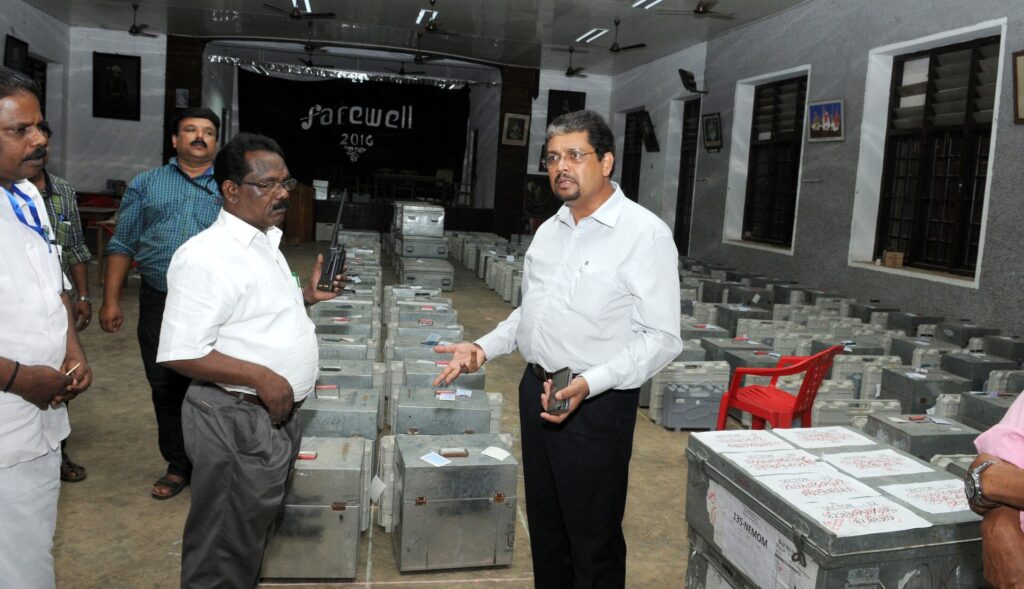
Elections don't run themselves. Behind every vote cast is an institution responsible for drawing constituency boundaries, registering voters, policing campaign conduct, and certifying results, work that rarely makes headlines when it goes well and becomes intensely political the moment it doesn't.
What an Election Commission Actually Does
Beyond the visible job of running polling day, election commissions maintain voter rolls, set and enforce a model code of conduct governing what candidates and parties can and can't do during a campaign, allocate symbols to parties, and adjudicate disputes about the process itself. It's as much a regulatory body as an operational one.
Why Independence Matters So Much
An election commission that answers to the government it's overseeing has an obvious conflict of interest, which is why most democracies structure these bodies with deliberate independence, fixed terms, protection from arbitrary removal, budgets insulated from political pressure. That independence is often the single biggest factor in whether an election's outcome gets broadly accepted as legitimate, win or lose.
Where Trust Gets Tested
Controversies tend to cluster around a few recurring issues: allegations of biased voter roll purges, disputes over electronic voting systems, and questions about whether the commission enforces its own conduct code evenly across ruling and opposition parties. None of these controversies are unique to any one country, they show up in democracies everywhere elections carry real stakes.
Why This Institution Deserves More Attention
Most voters interact with the election commission only on voting day, if at all. But the quieter, year-round work of maintaining accurate rolls and enforcing fair conduct is often what actually determines whether an election is free and fair, well before a single vote gets cast.
The Work Nobody Sees
Polling day is the visible fraction. The bulk of the job runs year-round: maintaining electoral rolls as people move, die, turn eighteen or marry; delimiting constituency boundaries; registering parties and allocating symbols; accrediting observers; and training the enormous temporary workforce that actually runs polling stations.
Roll maintenance is the least glamorous and most consequential of these. Whether a name is on the list determines whether a person can vote at all, and errors there disenfranchise more people than any dramatic controversy.
The Model Code of Conduct
India's Model Code takes effect the moment elections are announced and restricts what parties, candidates and governments may do: no new policy announcements that could influence voters, no use of public resources for campaigning, limits on appeals to caste or religion.
Notably it is not a statute. It works through moral authority, publicity and the commission's power to censure. That makes even-handed enforcement essential — the moment it is applied unevenly, it stops working entirely.
Why Independence Is the Whole Design
A body overseeing elections while answerable to the government contesting them has an obvious conflict. Democracies address this structurally: fixed tenures, protection from arbitrary removal, budgets insulated from political pressure, and transparent appointment processes.
India's Chief Election Commissioner can be removed only by the process used for a Supreme Court judge. Other commissioners have weaker protection, and the method of appointing commissioners has been the subject of ongoing legal and political debate.
Where Trust Gets Tested
- Roll revisions. Large-scale deletions, even when procedurally justified, generate allegations of targeted disenfranchisement.
- Voting technology. Disputes over electronic machines and the extent of paper-trail verification.
- Uneven enforcement. Perceptions that conduct violations are pursued more vigorously against some parties.
- Scheduling. Phase timing and announcement dates read by opponents as advantaging incumbents.
What Actually Builds Confidence
Procedural transparency does more than assertions of impartiality. Publishing the reasoning behind decisions, allowing observers genuine access, making roll changes auditable, and applying rules visibly to the governing party are what convert an institution's independence from a claim into something demonstrable.
Why It Deserves More Attention
Most voters encounter the commission once every few years for a few minutes. But whether an election is free and fair is largely decided long before polling day, in roll accuracy and conduct enforcement. Those are the parts worth scrutinising, and the parts that get the least coverage.