
Inside FIFA’s Expanded 48-Team World Cup Format
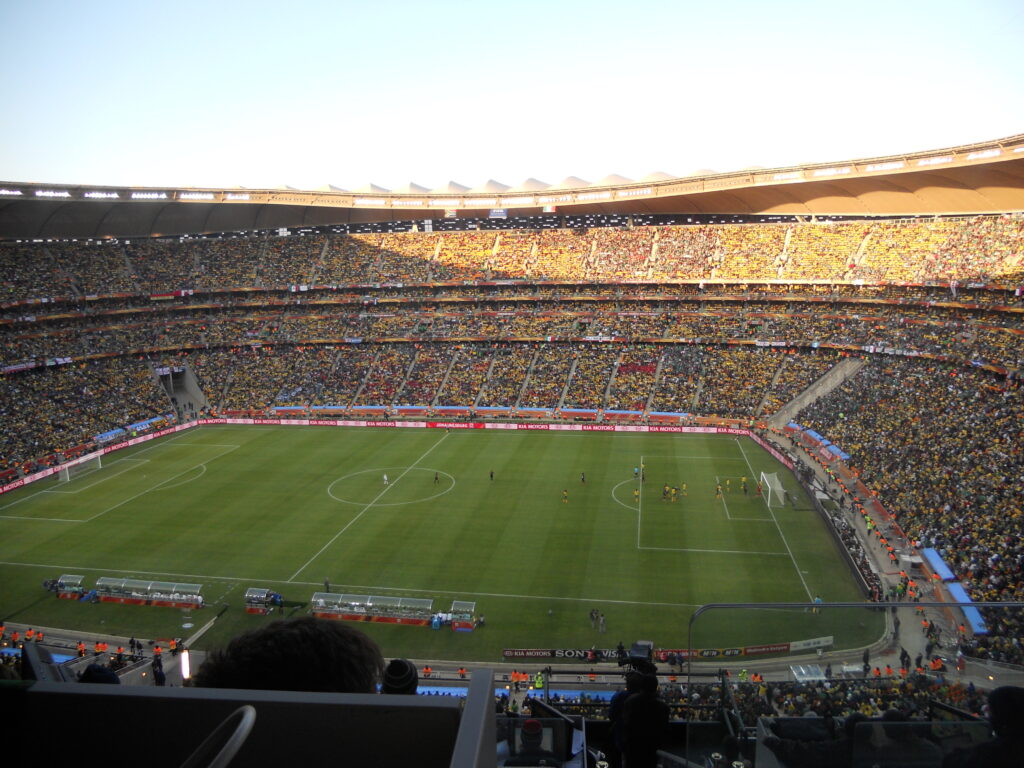
The World Cup that once meant 32 teams and a familiar group-stage rhythm has grown. FIFA's expansion to a 48-team tournament is the biggest structural change to the competition in decades, and it changes far more than just the number of flags at the opening ceremony.
The New Shape of the Tournament
Instead of eight groups of four, the expanded format uses twelve groups of four teams, with the top two from each group plus a set of best third-place finishers advancing to a round of 32. That single change adds an entire extra knockout round to the competition, more matches, more nations, and a longer path to the final.
Why FIFA Expanded It
More teams means more countries with a realistic shot at qualifying, which means more nations invested in watching, more broadcast markets, and more sponsorship reach. It also spreads the tournament's economic and cultural impact across a wider set of host cities and countries than the traditional format allowed.
The Trade-Offs
Critics point to a familiar concern: more teams can mean more lopsided early matches, as lower-ranked nations face the sport's traditional powers. There's also the sheer logistics of hosting more matches across more venues, and the compressed rest time for players already stretched by long club seasons.
What Fans Should Expect
A longer tournament, more group-stage drama with expanded paths to advance, and a wider spread of nations getting a real World Cup moment, even if only for a match or two. Whether the format improves the tournament or dilutes it is a debate that will likely run the length of the competition itself.
How the Maths Changes
Twelve groups of four produces an awkward number of qualifiers, which is why the format needs the eight best third-placed teams to fill a round of 32. That single mechanism drives most of the format's character: a team can lose two matches, finish third, and still advance, because qualification depends partly on how other groups played out.
It also adds a knockout round. Winning the tournament now requires surviving more elimination matches than any previous champion, which raises the premium on squad depth over a strong first eleven.
The Case For
More nations qualifying means more countries where the tournament genuinely matters. For federations from Africa, Asia, CONCACAF and Oceania, a realistic path to the finals changes youth investment and domestic interest in ways that outlast a single tournament. Historically, nations that qualify for the first time see lasting growth in participation.
Commercially the logic is straightforward: more markets engaged, more broadcast value, more sponsorship reach, spread across more host cities.
The Case Against
- Dilution. More teams means more mismatches, particularly early. The counterargument is that recent tournaments have seen the gap narrow considerably.
- Player load. More matches on top of already congested club calendars, with player unions warning about injury risk and insufficient recovery.
- Dead rubbers. Complex third-place qualification can produce situations where teams know exactly what result suits them, which is rarely good for competitive integrity.
- Logistics. More matches across more venues and greater distances, affecting both travel burden and the cost of following a team.
What It Means Watching
The group stage becomes less decisive and the knockout phase longer. Expect fewer genuine eliminations early and more matches where the arithmetic matters as much as the result. For neutrals, the tournament gets longer and the early rounds less sharp; the drama concentrates later.
Whether It Sticks
Format changes are rarely reversed. The relevant question is not whether 48 teams survives but whether the group structure gets adjusted, since the third-place mechanism is the part critics find least satisfying. Expect debate about the shape of the groups long before anyone revisits the number of teams.