
The Comeback of Physical Media: Vinyl, Cassettes, and Why Analog Won’t Die
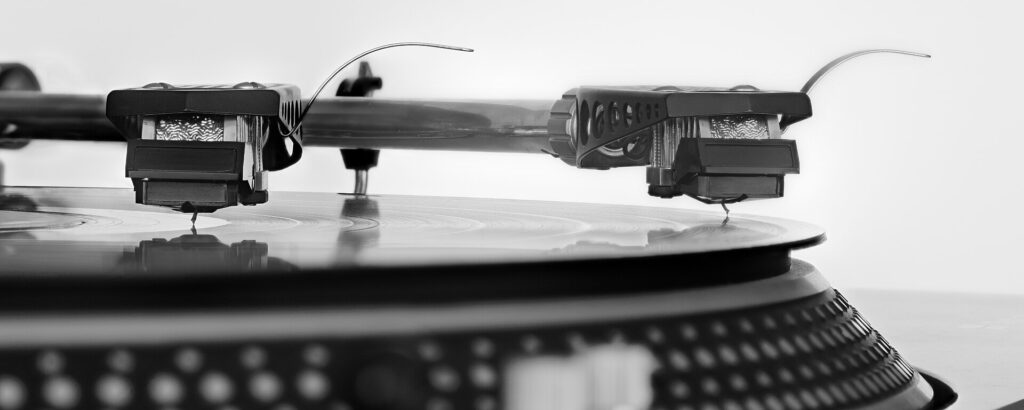
Streaming won. Nobody seriously argues otherwise. And yet vinyl sales have climbed for over a decade straight, cassette tapes are back in indie music stores, and even CDs have found a small but stubborn second life. The format that should have been dead is, instead, growing.
It's Not About Sound Quality
The usual explanation, that analog just sounds better, doesn't hold up to how most people actually listen. Vinyl has audible imperfections streaming doesn't. What's driving the comeback isn't fidelity, it's the opposite of what streaming offers: something you can hold, display, and commit to, in a media landscape that otherwise feels infinite and disposable.
Owning Something in an Age of Renting Everything
Streaming subscriptions mean you never actually own the music, the movie, or the show, you're renting access that can vanish if a license expires or a subscription lapses. A record on a shelf doesn't go anywhere. For a generation that grew up with everything as a rental, that permanence has become its own kind of appeal.
The Ritual Matters
Putting on a record is slower than pressing play. You choose an album, not a shuffled playlist, and you sit with it side to side. That friction, which streaming spent two decades trying to eliminate, is exactly what a growing number of listeners say they miss, a reason to actually pay attention instead of letting music become background noise.
A Business, Not Just Nostalgia
Record labels have taken notice, pressing plants that nearly disappeared are running at capacity again, and major artists now routinely release vinyl and cassette editions alongside digital drops. What started as a niche collector's habit has become a real, if modest, line item in how music makes money.
The Numbers Behind the Revival
Vinyl has grown for well over a decade, in some markets now outselling CDs by revenue. Cassettes remain small but are growing from a base of essentially zero, driven largely by artists issuing them as collectible editions. Pressing plants that shut in the 1990s have reopened, and lead times for new records regularly run months because capacity has not kept up.
The Sound Quality Argument, Honestly
Vinyl does not objectively sound better. It has lower dynamic range than digital, adds surface noise, degrades with play, and is affected by pressing quality and cartridge alignment. A well-mastered digital file is technically superior on nearly every measure.
What confuses the debate is mastering. Records are often cut from different masters, sometimes with less aggressive loudness compression than streaming versions. When a record sounds better, the mastering is usually the reason, not the format.
Ownership in an Age of Renting
Streaming is a rental. Licences lapse, catalogues change, albums vanish, and a lapsed subscription leaves nothing behind. For a generation whose films, games, books and music are all licences rather than possessions, a physical object that cannot be revoked has acquired a value that has nothing to do with audio fidelity.
Friction as the Feature
Playing a record demands choosing an album, committing to a side, and getting up to flip it. Streaming spent two decades eliminating exactly this friction, and it turns out some of it was load-bearing. The constraint produces attention. You listen to the record instead of letting it become background.
This explains why the revival is strongest among people who also stream heavily. They are not alternatives; they serve different purposes. Streaming is for discovery and convenience, vinyl for the albums you have decided to take seriously.
The Business Reality
For artists, physical media has become a meaningful revenue line in a way streaming payouts are not. A record sold at a show can return more than hundreds of thousands of streams. Labels have noticed, which is why coloured variants and limited editions have proliferated.
That commercial logic carries a risk. When the object becomes a collectible rather than something played, the revival starts to resemble merchandise. Whether it holds its meaning depends on whether people keep listening or simply keep buying.