What Are Micro-Dramas? Why India’s Two-Minute Shows Are Pulling In Millions
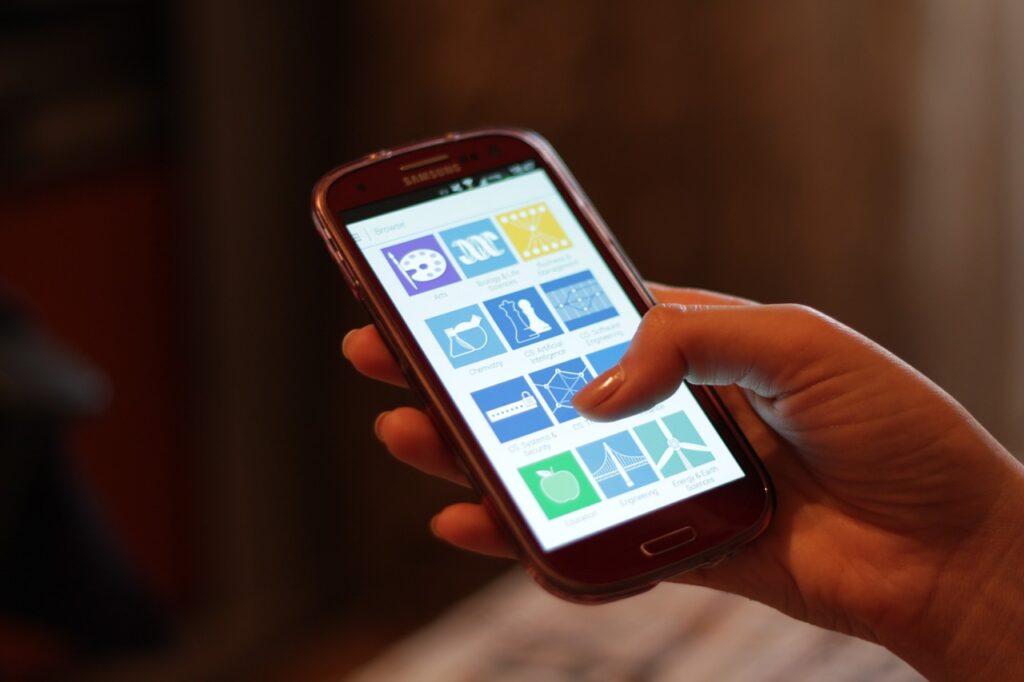
Micro-dramas are short, vertical TV shows made for the phone. Each episode runs from under a minute to a couple of minutes, ends on a cliffhanger, and pushes you straight into the next one. In India they went from a curiosity to a business worth roughly $300 million in about a year, and some of the country's biggest film studios now want a piece of it. Here is what the format is, why it is spreading so fast, and why the money is still harder to find than the viewers.
What exactly is a micro-drama?
Think of a daily soap cut into bite-sized pieces and shot in portrait mode. A single series can stretch across dozens of episodes, each built around one twist: a betrayal, a secret marriage, a long-lost heir. The stories lean heavily on romance, family conflict and revenge, and the pacing is relentless because every episode has to earn the next tap.
Most apps let you watch the first few episodes free. After that, you either wait, often 24 hours, for the next episode to unlock, or you pay with in-app coins or a subscription to keep going. The pay-to-unlock model has worked well in China, where audiences are more used to paying for content, and Indian platforms have adapted it for Hindi and regional-language viewers.
How big has it become in India?
Industry estimates put India's micro-drama market at around $300 million in 2025, with roughly 100 million monthly active users. Those figures come from the investment firm Lumikai and have been widely cited by Business Standard and ThePrint.
Audience research points the same way. The Ormax OTT Audience Report 2026, released in September, found that the micro-drama audience grew about 50% in a year, faster than any other content category it tracked, ahead of K-dramas (48%) and anime (32%). That growth sits inside a much larger shift: Ormax counts about 665 million Indians who now watch video online, roughly 45% of the population.
A separate study by Meta and Ormax, published in March, looked at how people actually find these shows. Nearly nine in ten viewers said they discovered micro-dramas through social media feeds, usually from a clip on Instagram or Facebook that ends right before the payoff. Viewing peaks late in the evening, and most of it is solo, on a phone, often while doing something else.
We have written before about why regional-language content is winning on Indian OTT, and micro-dramas follow the same logic. After Hindi and English, the Meta-Ormax study found Tamil, Telugu and Kannada to be the most-watched languages.
Who is betting on it?
The early players were apps built only for this format, such as Kuku TV and Quick TV. Pocket FM, known for audio series, also tried video with Pocket TV but shut it down after about five months to focus on audio, according to Business Standard and Business Today.
The bigger news in 2026 is that traditional entertainment companies have moved in. ThePrint reported that JioHotstar launched a micro-drama section called TADKA around IPL 2026 and says it has crossed 100 million users. Yash Raj Films and Excel Entertainment have both announced micro-drama plans, and Business Standard reported that Shah Rukh Khan's Red Chillies Entertainment has set up a vertical storytelling division. ShareChat's parent, Mohalla Tech, has said it will invest in AI-made micro-dramas.
For studios, the attraction is speed and cost. A micro-drama series costs a fraction of a feature film or a long-form web series, can be shot in days, and gives them direct data on what audiences click on. It is the same pressure we described in how streaming changed the way movies get made, compressed into two-minute chunks.
Why making money is still the hard part
Viewers are plentiful. Paying viewers are not. Business Standard, citing Lumikai, reported that India has about 17 million paying micro-drama users, and that the average paying user spends around $15 a year, compared with about $35 for a regular OTT subscriber.
Three problems keep coming up in industry interviews:
- Free competition. Reels and YouTube Shorts are free and endless, so asking someone to pay to see what happens next is a tough sell in India.
- Acquisition costs. Apps spend heavily on social media ads to pull viewers in, and many users leave once the free episodes run out.
- Rising budgets. As bigger studios and known actors enter, production costs climb, and the format loses the cheapness that made it attractive.
A producer quoted by Business Standard said he did not know of any major Indian micro-drama platform operating profitably. That is why many in the industry expect a mix of free, ad-supported episodes and brand tie-ins to matter more here than the pay-per-episode model that worked in China.
What it means for you
If you have seen a dramatic two-minute clip in your feed that cuts off just as the slap lands, you have met a micro-drama. Watching is free up to a point, but the unlock model is designed to make small payments feel painless, so it is worth checking how many coins a full series actually costs before you top up.
For creators, writers and actors, the format is opening real work outside the big-budget OTT system, especially in regional languages. And with AI-generated episodes now entering the mix, expect even more of these shows in your feed over the next year. Which ones survive will depend less on how many people watch, and more on how many are willing to pay. For more on how India's screens are changing, browse our Media explainers.