
CBSE Board Exam 2027 Explained: Dates, Marks Split and How the Two-Exam Rule Works
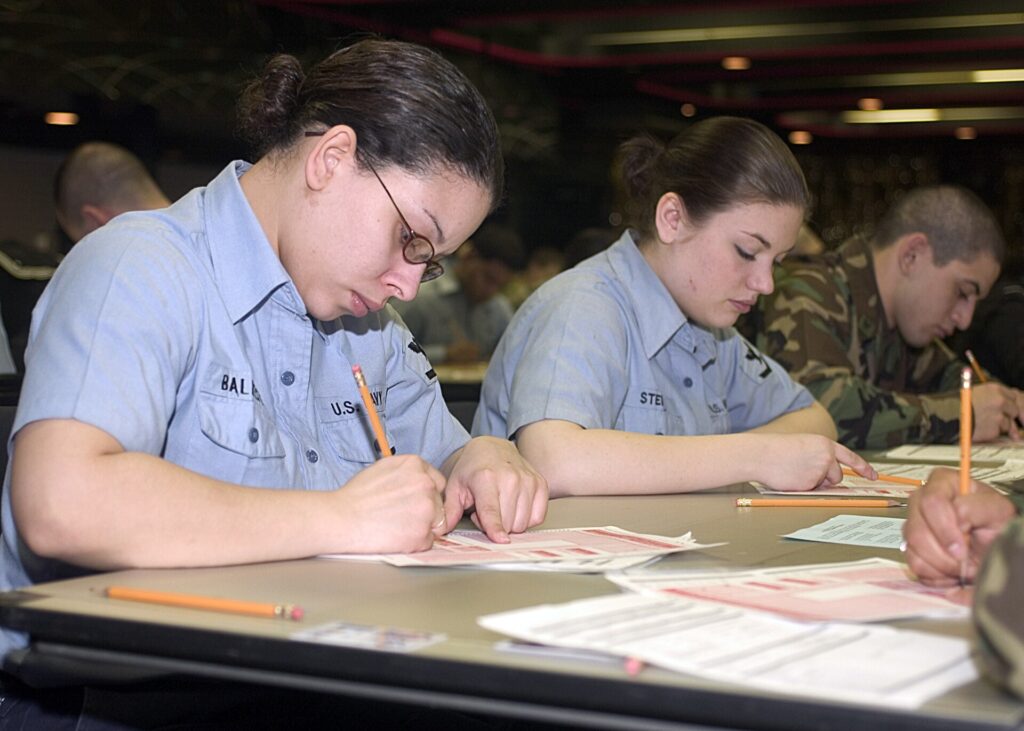
CBSE's 2027 board exams are now less than three months away, and the board has already released the two documents students care about most: the date sheet and the subject-wise marks split. Both came out on November 6, 2026. Theory papers for Class 10 and Class 12 begin on February 16, 2027, and more than 46 lakh students are expected to appear. Here is everything in one place, in plain language.
The 2027 date sheet at a glance
Both classes start on the same day but finish weeks apart. Class 10 papers run from February 16 to March 9, 2027, while Class 12 continues until April 9. Papers begin at 10:30 am, and most of the main ones end at 1:30 pm, with some shorter skill subjects finishing earlier.
For Class 10, the five main papers fall on these dates:
- Mathematics (Standard and Basic): February 17
- Science: February 22
- English (both courses): February 26
- Hindi Course A and B: March 3
- Social Science: March 8
For Class 12, the schedule opens with Physics on February 16 and runs into April, with the final days mostly given over to smaller and vocational subjects. The full subject-wise PDF is on cbse.gov.in. It is worth printing the dates for your own subjects and marking the gaps between them.
Marks bifurcation: how your 100 marks are split
The second circular, listed on the CBSE website as the subject-wise marks bifurcation for Class X and XII for 2026-27, explains how much of each subject's total comes from the written paper and how much from practicals, projects or internal assessment. This matters because part of your result is decided in school, before the board exam even begins.
For Class 10, the core subjects follow an 80:20 pattern: 80 marks for the theory paper and 20 for internal assessment. That covers English, Hindi Course A and B, Mathematics Standard and Basic, Science and Social Science. Subjects with more hands-on work are weighted differently. Home Science is 70 marks theory and 30 practical, and Computer Applications is split equally between theory and practical.
For Class 12, the lab-based subjects, namely Physics, Chemistry, Biology and Computer Science, generally carry 70 marks for theory and 30 for practicals. Mathematics, Economics, History, Political Science, Business Studies and Accountancy generally carry 80 marks for theory and 20 for internal assessment or project work. Several vocational subjects put even more weight on practical work, so check your own subject codes in the circular.
Practical exams start earlier than you think
Practicals, projects and internal assessment are run by schools under CBSE's rules. For most schools they take place from January 1 to February 13, 2027. Winter-bound schools, which shut for the coldest months, hold them earlier, from November 9 to December 19, 2026. If you study in one of those schools, your practical window is already open.
The two-exam rule for Class 10
Since the 2026 session, Class 10 students get a second chance in the same year. The February and March exam is the main one, and every student has to take it. A second, optional round is held in May for those who want to improve their scores. In 2026 that round ran from May 15 to 21, and students could reappear in up to three subjects from science, mathematics, social science and languages.
For 2027, CBSE's schedule again places the second Class 10 exam in May, though exact dates for it have not been announced yet. Class 12 students still get a single board exam each year.
What stays the same, and what changes in 2028
If you are writing the 2027 exams, the rules you have been studying under do not change. CBSE has said the 2027 Class 10 exams will follow the same curriculum and rules as 2026, and that they will be the last board exams under the current language textbooks. The bigger structural shift, including a new scheme for languages and two levels in Mathematics and Science, starts with the 2028 board exams for students who are in Class 9 now. Results continue to use the 9-point grading scale.
What it means for you
- Download the date sheet and the marks circular from cbse.gov.in and check your own subject codes. Forwarded PDFs and old coaching handouts can be out of date.
- Treat internal assessment as real marks. In most Class 10 subjects, a fifth of the total is decided in school.
- Class 10 students should still aim to do their best in February. The May exam is a safety net for a few subjects, not a full second attempt.
- There are three to four free days between each of the five main Class 10 papers. Build revision blocks around them, after checking the dates of any extra language or skill subject you take.
Exams and students have been a big story this year, from the NEET controversy to the youth-led protests we explained in What Is the Cockroach Janta Party? For more explainers on policy that affects your life, see our Politics section.