How Social Media Reshaped Political Campaigning in India
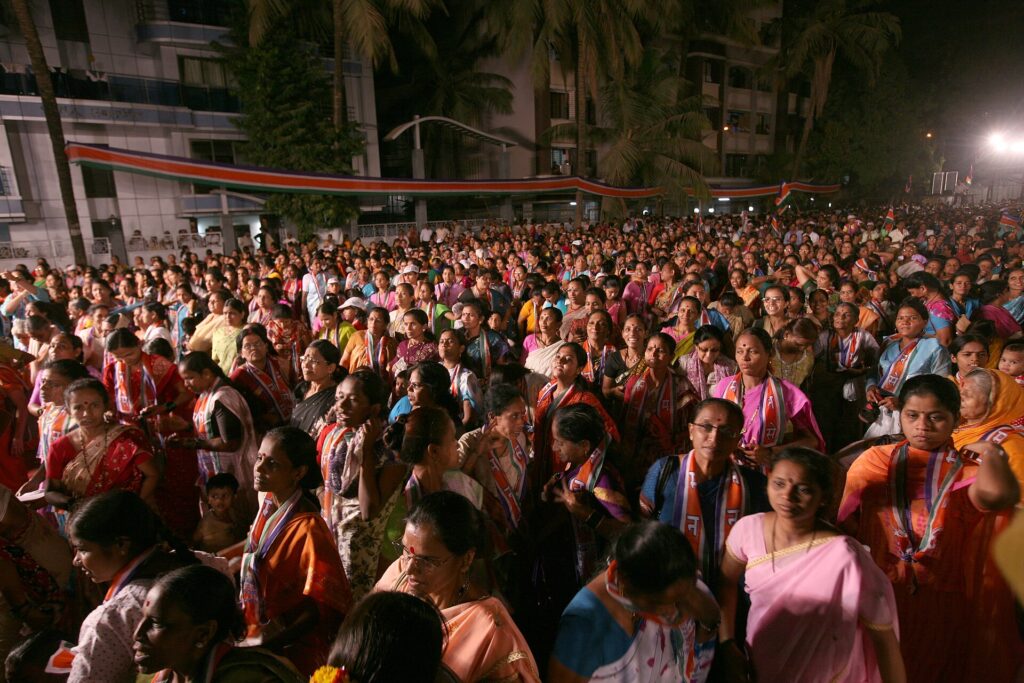
Indian elections used to be won through rallies, posters, and door-to-door canvassing. They still involve all of that, but the modern Indian campaign is fought just as hard, maybe harder, on WhatsApp groups, YouTube, and short-form video, a shift that's changed both the tactics and the risks of political communication.
Scale Nobody Else Has
With hundreds of millions of smartphone users and some of the cheapest mobile data in the world, India offers political campaigns a reach that older forms of media couldn't match at anywhere near the same cost. A single well-produced video can reach voters across the country instantly, bypassing traditional media entirely.
WhatsApp's Unusual Role
Unlike open platforms like X or Facebook, WhatsApp's private group structure makes it a uniquely hard-to-monitor channel for political messaging, content spreads through trusted personal networks rather than a public feed. That's made it enormously effective for grassroots mobilization, and also a significant vector for misinformation that's harder for fact-checkers and platforms to catch in time.
Micro-Targeting and Local Language Content
Modern campaigns increasingly tailor content down to specific constituencies and languages, a message crafted for one region's concerns looks nothing like the version reaching another. That level of targeting was essentially impossible with traditional broadcast media and has become a defining feature of how Indian parties now build campaigns.
The Regulatory Catch-Up
Election authorities have extended some campaign conduct rules to digital content, but enforcement struggles to keep pace with how fast content spreads and how many accounts, official and unofficial, are producing it. Digital campaigning has outrun the regulatory framework built for an era of posters and rallies, and closing that gap remains an ongoing, unresolved challenge.
Scale Without Precedent
Several hundred million smartphone users and some of the cheapest mobile data anywhere give Indian campaigns a reach that no other democracy offers at comparable cost. A video produced in a day can reach voters in every state before the evening news covers it, entirely bypassing traditional media gatekeeping.
WhatsApp's Peculiar Role
Open platforms are at least observable: researchers and journalists can see what is circulating. WhatsApp is different. Messages move through private groups of family, neighbours and colleagues, which makes content both more persuasive — it arrives from someone you trust — and effectively invisible to outside scrutiny.
Parties have built extensive volunteer structures around this, with organised group networks reaching down to individual polling booths. It is genuinely effective grassroots mobilisation. It is also the hardest channel to fact-check, and encryption means even the platform cannot see what spreads.
Micro-Targeting and Language
Modern campaigns segment down to constituency level and produce content in the relevant language addressing local concerns. The version of a message reaching a voter in coastal Odisha may share nothing with the version reaching one in western Uttar Pradesh beyond the party symbol.
This is more responsive than broadcast ever allowed. It also means no shared national conversation about what a party is actually promising, since no voter sees the full set of claims.
The Categories of Problem
- Misinformation velocity. A false claim can saturate before any correction is written, and corrections travel poorly in closed groups.
- Synthetic media. Cloned voices and manipulated video are now cheap enough for routine use.
- Undisclosed spending. Influencer promotion and unofficial pages sit outside conventional expenditure reporting.
- Attribution. Content that clearly benefits a party while being formally unconnected to it.
Where Regulation Falls Short
Election authorities have extended conduct rules to digital campaigning and require pre-certification of political advertising, but enforcement assumes identifiable advertisers and traceable spending. Much online campaigning is neither. Expenditure limits designed for posters and rallies do not map onto a volunteer network sharing content for free.
What Would Help
Meaningful disclosure of who paid for political content, spending transparency covering influencer and unofficial channels, and faster takedown for demonstrably fabricated media. None of it is straightforward, particularly on encrypted platforms, but the current gap between regulated and actual campaigning is wide enough that the rules increasingly describe an election that is not the one being fought.